Tasmania
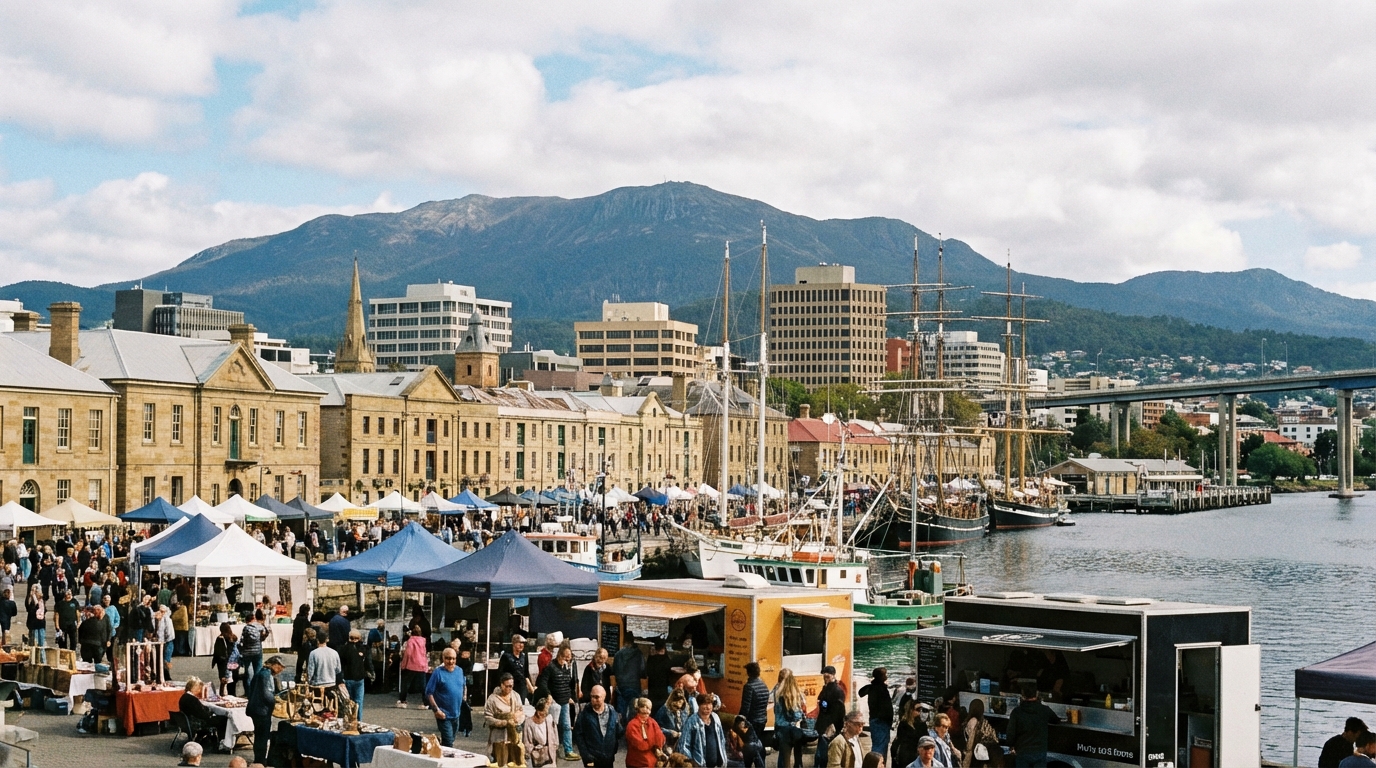
Tasmania is a region of Australia. Tasmania is a heart-shaped island state located 240 kilometers south of the Australian mainland, separated by the turbulent Bass Strait. It is a land defined by the 'Roaring Forties' winds, which carry the world's cleanest air directly from the Southern Ocean to its jagged coastlines.
Geography
Tasmania features over 4,500 square kilometers of dolerite columns, a volcanic rock formation rarely seen in such vertical scale. The island's climate is governed by the West Coast Range, receiving up to 3,000 millimeters of rain annually, sustaining a temperate rainforest that contains trees like the Huon Pine, which can live for 3,000 years.
History
In 1982, the High Court of Australia delivered a 4-3 decision that halted the construction of a massive hydroelectric dam. Led by activist Bob Brown, the movement prevented the flooding of 137 kilometers of the Franklin River. This specific legal victory preserved 20,000 years of Indigenous heritage sites and established Tasmania as a global pioneer for modern environmental conservation.
Landmarks
- Cradle Mountain: The jagged dolerite peaks smell of pencil cedar and are home to 'fagus', Australia’s only deciduous tree that turns gold every April.
- MONA (Museum of Old and New Art): Built 17 meters underground into Triassic sandstone, this windowless labyrinth uses 'O' devices to provide cynical, non-traditional commentary on the exhibits.
- Port Arthur Historic Site: In the 1830s Separate Prison, convicts were forced into total silence and wore head-masks to ensure they could never see or speak to others.
- The Nut: A 143-meter high volcanic plug in Stanley where the wind whistles through basalt columns and pademelons graze on the flat, grassy plateau.
- The Unconformity (Queenstown): A biennial site featuring a gravel football oval and hillsides stripped of all vegetation by 19th-century copper smelting, creating a lunar-like environment.
Cuisine
The cuisine centers on cold-water seafood and ingredients found nowhere else, such as the Mountain Pepperberry which creates a numbing sensation on the palate. Chefs utilize the volcanic soil to produce heavy, cool-climate wines and honey from the Leatherwood tree, a species that only flowers in the deep western wilderness.
- Leatherwood Honey: Harvested from 350-year-old trees, this spicy, floral nectar has a creamy texture and a scent reminiscent of the wet rainforest floor.
- Scallop Pie: A colonial-era snack where Atlantic scallops are smothered in mild curry sauce and encased in shortcrust pastry, traditionally sold at Hobart's docks.
- Wallaby Tartare: Lean, ruby-red wild game meat served cold with crushed pepperberries, highlighting the state's move toward sustainable, indigenous-sourced protein in fine dining.
- Sullivans Cove Whisky: Distilled since 1994, this spirit gained fame when its French Oak cask was named the world's best single malt in 2014.
- Cascade Premium Lager: Brewed since 1832 at Australia’s oldest brewery, it uses soft mountain water flowing directly from the basalt slopes of Mount Wellington.
Culture
Tasmanian culture is anchored in a deep connection to the land and a history of self-reliance. It celebrates the darkness of the southern winter through fire festivals and communal feasts, while maintaining a strong tradition of woodworking and maritime craft that utilizes the island's unique rot-resistant timbers.
- Dark Mofo: During the June solstice, thousands of people strip naked for a sunrise swim in the 11-degree Celsius waters of the Derwent River.
- The Falls Festival: Every New Year's Eve, music fans camp on coastal cliffs at Marion Bay where the salt-heavy air carries the sound across the valley.
- Cygnet Folk Festival: Each January, the small town's 19th-century halls fill with fiddle music and local cider-makers celebrating the island's acoustic heritage.
- Blundstone Boots: Created in Hobart in 1870, these elastic-sided leather boots are the daily uniform for farmers, artists, and politicians across the island.
- Bluey Jacket: A thick, coarse wool coat, typically navy blue, used by West Coast foresters since the 1890s to repel the persistent highland mist.
- Oilskin Drover: A waxed cotton coat with a shoulder cape, designed to keep riders dry during the 300 days of rain in the western ranges.
- Akubra Felt Hat: A wide-brimmed rabbit-fur hat worn by highland cattlemen to block the intense UV rays of the southern sun.
- Lichen-dyed Woolens: Hand-knitted jumpers made from local merino wool and dyed with native mosses, essential for surviving sub-zero nights in the mountains.