Rajshahi
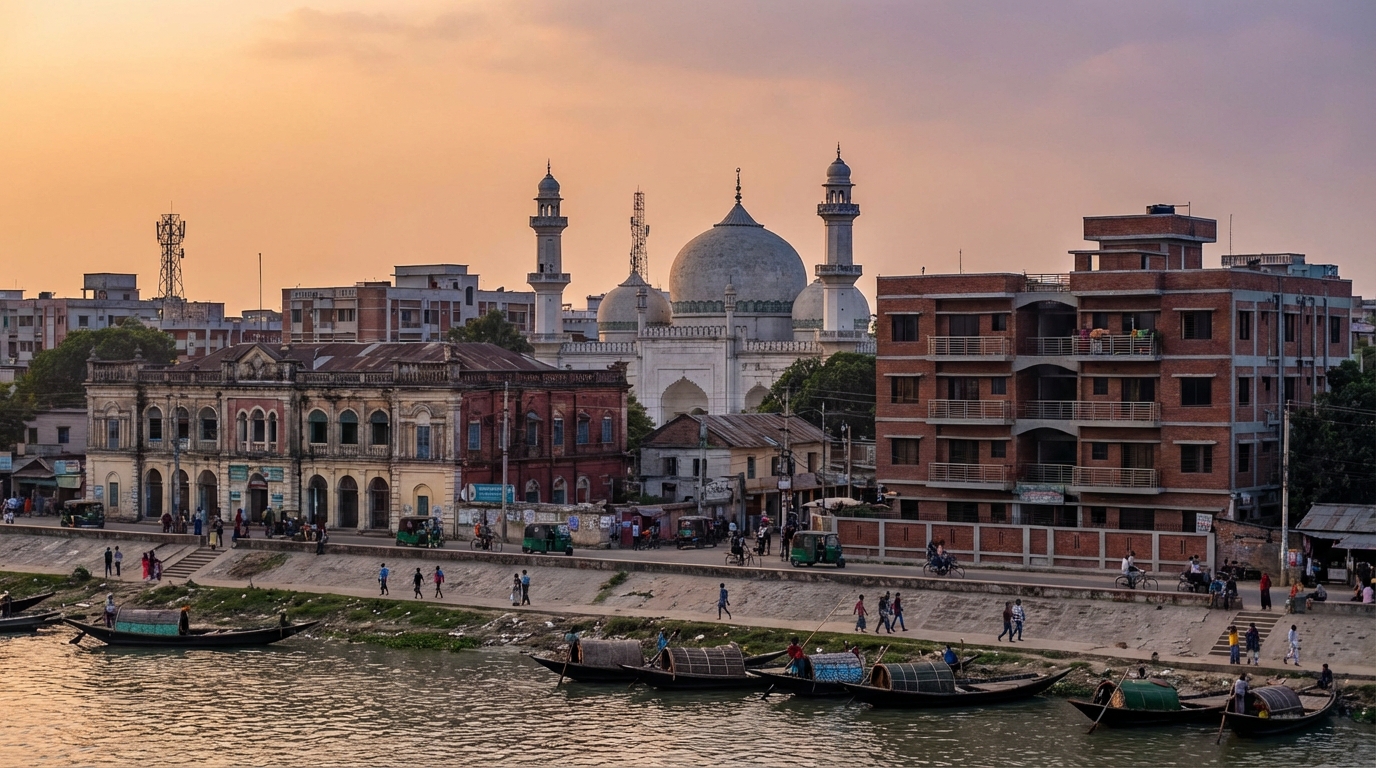
Rajshahi is a region of Bangladesh. Rajshahi is the primary urban center of North Bengal, situated on the northern bank of the Padma River near the Indian border. It is defined by its 1825 administrative gridded layout and the heavy scent of ripening Fazli mangoes that fills the air during the 40°C summer heat.
Geography
Located in the Barind Tract, the region is characterized by hard red clay soil and a semi-arid climate where temperatures hit 45°C. The shifting chars or silt islands of the Padma River create a transient landscape that changes every monsoon season, moving the border line between land and water.
History
In 1825, the British East India Company designated Rajshahi as the administrative headquarters for the region. This decision shifted the center of gravity away from the older silk hubs of Natore, leading to the construction of wide, gridded streets and colonial bungalows that still define the city urban footprint today.
Landmarks
- Varendra Research Museum: Built in 1910, this museum houses an 11th-century black basalt statue of Surya, preserved in a building featuring distinct Indo-Saracenic architectural arches.
- Puthia Temple Complex: The 1823 Shiva Temple features 12 miniature spires and terracotta reliefs that depict the 1764 Battle of Buxar in minute detail.
- Bagha Mosque: Completed in 1523, the mosque unique terracotta floral panels are featured on the Bangladeshi 50 Taka note as a symbol of regional heritage.
- T-Bund: This 300-meter concrete embankment was finished in 2004 to prevent river erosion, now serving as a platform for watching the Padma sunset.
- Ibadat Khana: A lesser-known 16th-century prayer hall featuring low-slung domes that keep the interior 5 degrees cooler than the outside air.
Cuisine
Rajshahi cuisine is defined by the Barind dry heat, favoring ingredients like mash-kalai lentils and poppy seeds. The Fazli mango, weighing up to 1kg, is the culinary centerpiece during the monsoon, often eaten with flattened rice and thick cream.
- Kalai Ruti: A dense flatbread made from ground mash-kalai lentils, traditionally charred on a clay plate and served with a mash of raw green chilies.
- Beef Posto: A slow-cooked beef curry thick with a paste of white poppy seeds, which provides a nutty texture and counters the summer heat.
- Chhai Pitha: Winter rice dumplings wrapped in turmeric leaves and steamed over a wood fire, giving the dough a distinct earthy, ginger-like fragrance.
- Khejur Rosh: Chilled date palm sap collected in clay pots at 4 AM before the sun ferments the high sugar content into alcohol.
- Aam Panna: A beverage made from mangoes roasted over charcoal until the skin blisters, then blended with rock salt and roasted cumin seeds.
Culture
The culture centers on the 18th-century Gambhira folk songs and the silk weaving industry. Locals traditionally wear mulberry silk, a practice dating back to the regional silk boom of the 1850s when the region exported to Europe.
- Gambhira Festival: Masked performers use rhythmic songs to criticize local governance, a tradition that peaked in popularity during the early 1900s social reforms.
- Baneswar Mango Fair: Held every June at the Baneswar market, where thousands of tons of fruit are traded using a silent language of hand gestures.
- Chaitra Sankranti: A celebration on the last day of the Bengali year featuring dances where performers dress as deities to pray for rain.
- Rajshahi Silk Sari: Made from high-quality mulberry silk, these saris are known for a Matka weave that remains breathable in 90 percent humidity.
- Matka Panjabi: A men tunic made from coarse silk waste, typically worn during Friday prayers or formal weddings for its thermal properties.
- Barind Gamcha: A thin, red-checkered cotton cloth used by field workers to shield their necks from the intense 45 degree sun during harvest.
- Silk Lungi: A formal version of the standard tubular sarong, woven with silver threads for use by grooms during wedding ceremonies.
- Nakshi Kantha: A heavy quilted wrap made from six layers of old cotton saris, hand-stitched with patterns to provide warmth in January.