Gondar
Gondar is a city in the Amhara region of Ethiopia. Gondar sits 2,133 meters above sea level on a basaltic plateau in the Amhara Region. It is defined by its 17th-century stone palaces and the crisp mountain air that carries the scent of roasting coffee and frankincense.
Geography
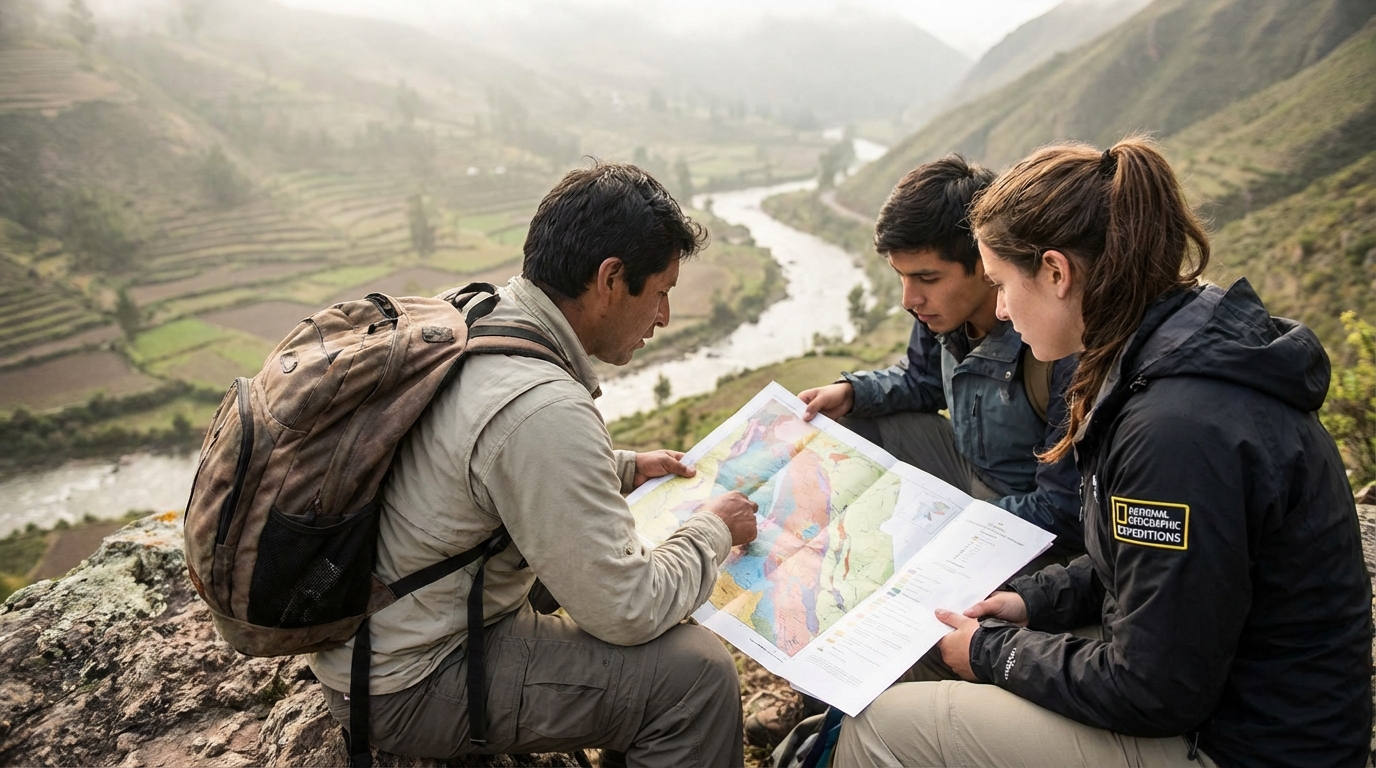
The city rests on a volcanic plateau between the Angereb and Gaha rivers. At 12.6 degrees North, the air remains thin and cool, often dropping to 10°C at night, while the jagged peaks of the Simien Mountains loom 100 kilometers to the north. The basaltic soil provides a dark, rugged foundation for the stone fortresses that dominate the skyline.
History
In 1636, Emperor Fasilides ended the tradition of migratory royal camps by establishing a permanent capital. Legend says a buffalo led him to a pool near the Angereb river, prompting him to build the first of the city's stone castles, cementing Gondar as the empire's administrative and cultural heart for over 200 years. This architectural shift created a unique blend of local, Indian, and Portuguese styles.
Landmarks
- Fasil Ghebbi: The 70,000-square-meter castle complex features lime-plastered walls and turrets mirroring Portuguese and Indian stonemasonry techniques from 1636.
- Fasilides' Bath: Every January, this 2,800-cubic-meter stone reservoir is filled via a manual canal from the Angereb River for Timkat ritual immersion.
- Debre Berhan Selassie: The ceiling contains 135 hand-painted cherubs with watchful eyes, surviving the 1888 Mahdist raid that destroyed many other churches.
- Kusquam Palatial Complex: Empress Mentewab built this in 1730 using red volcanic tuff, featuring a private scriptorium where she commissioned 30 illuminated manuscripts.
- Atse Fasil Stadium: The 20,000-capacity home of Fasil Kenema FC serves as the city’s modern heart, where thousands gather weekly for intense football matches.
Cuisine
Gondarine cooking relies on Niter Kibbeh, a clarified butter infused with koseret and besobila. The high-altitude climate allows for a slow fermentation of teff batter, which sits for exactly three days to achieve the perfect sourness and surface bubbles on the flatbread.
- Doro Wat: This spicy chicken stew requires 12 pieces of meat and hard-boiled eggs, simmered for six hours until the onions melt completely.
- Injera: A spongy flatbread made from fermented teff flour, baked on a 40-centimeter clay griddle called a mitad over an open flame.
- Tere Siga: Raw beef cubes served during celebrations, traditionally carved with a sharp knife called a senai directly from the carcass.
- Tella: A smokey, dark brown beer brewed with roasted barley and shiny leaves of the gesho plant, served in clay kore flasks.
- Tej: An amber-colored honey wine fermented with gesho twigs; the best varieties are dula, which are thick and naturally sweet.
Culture
Gondar is the center of Ethiopian Orthodox tradition, home to 44 historical churches. The sound of the kebero drum and the smell of frankincense define daily life. Residents wear hand-loomed white cotton clothing to reflect the highland sun, maintaining a distinct aesthetic of purity and heritage that culminates in massive white-clad crowds.
- Timkat: On January 19, the Tabot is carried to Fasilides' Bath, followed by 24 hours of chanting and a communal splash into the water.
- Meskel: Celebrating the finding of the True Cross on September 27 with the burning of a massive Demera bonfire in the city square.
- Enkutatash: The Ethiopian New Year on September 11, marked by children giving yellow Adey Abeba flowers and singing traditional songs for neighbors.
- Habesha Kemis: A full-length white cotton dress featuring tilet embroidered borders that display complex geometric patterns in silk thread.
- Netela: A thin, two-layered cotton scarf worn by women, draped differently to signal whether they are in mourning or celebrating.
- Gabi: A heavy, multi-layered white cloth worn by elders to combat the 10°C highland morning chill, functioning as a cloak and blanket.
- Kuta: A lighter version of the Gabi, worn by men over their shoulders during church services to show respect and purity.
- Embroidered Trousers: Men’s trousers fitted at the ankle with hand-stitched silk patterns, traditionally paired with a long-sleeved tunic for ceremonies.