Arunachal Pradesh
Arunachal Pradesh is a region of India. Arunachal Pradesh sits in the far northeastern corner of India, where the first rays of sunlight hit the subcontinent across the jagged peaks of the Eastern Himalayas. This state is defined by its transition from tropical Siang River valleys to the 7,000-meter heights bordering Tibet and Myanmar.
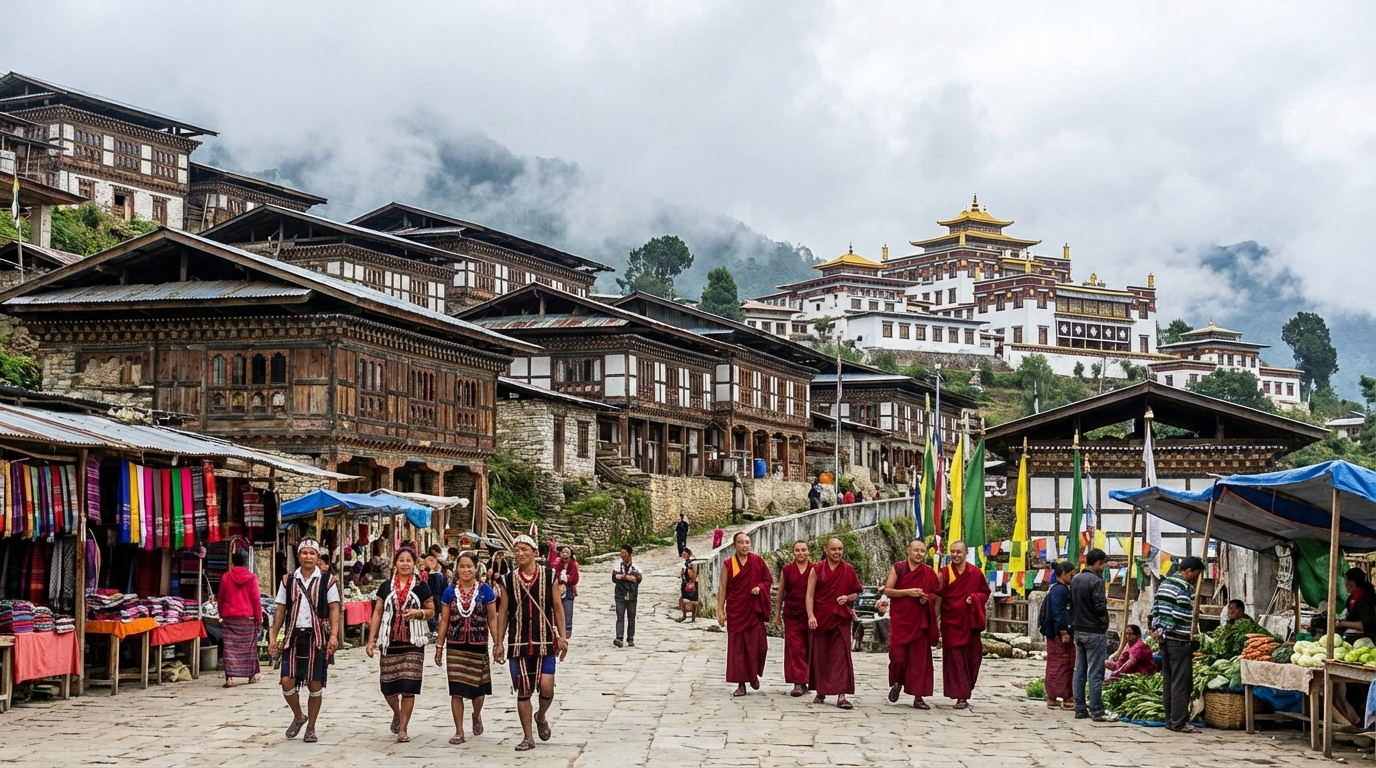
Geography
The terrain rises sharply from 50 meters in the plains to the 23,261-foot peak of Gorichen. It holds India's easternmost point at Dong, where the sun rises at 4:00 AM. The landscape is carved by five major river systems—Kameng, Subansiri, Siang, Lohit, and Tirap—which flow through rainforests receiving over 3,000mm of annual rainfall.
History
On January 20, 1972, the region was renamed Arunachal Pradesh and elevated to a Union Territory, moving away from its colonial-era identity as the North-East Frontier Agency. This administrative shift, led by local tribal councils, paved the way for full statehood in 1987, ensuring the protection of indigenous land rights under the Bengal Eastern Frontier Regulation of 1873.
Landmarks
- Tawang Monastery: Founded in 1681, this fortified complex contains a library of ancient Tibetan scriptures and a massive, 26-foot high Buddha statue painted in gold and turquoise.
- Golden Pagoda of Namsai: This Burmese-style structure, built in 2010, features a 60-foot main dome that reflects orange sunlight across the surrounding 20 hectares of manicured gardens.
- Sela Pass: At 13,700 feet, this high-altitude pass features twin lakes that remain frozen for five months. It is the only road connecting Tawang to the world.
- Donyi Polo Vidya Bhawan: A modern educational hub in Itanagar where students study the indigenous Sun-Moon faith, preserving oral traditions through structured academic curricula and traditional morning chants.
- The Bamboo Bridge of Anyar: Constructed annually by the Nyishi tribe using only cane and bamboo, this 100-meter suspension bridge spans the turbulent Kurung River without a single metal nail.
Cuisine
The food relies on forest-foraged ingredients, smoked meats, and fermented bamboo shoots. Salt is traditionally replaced by 'Lidun' ash, and heat comes from fresh bird-eye chilies.
- Pika Pila: A winter staple made from bamboo shoots and pork fat, seasoned with king chili. It offers a pungent, fatty flavor that provides essential calories.
- Lukter: Thinly sliced beef or pork is sun-dried and then mixed with flakes of the Bhut Jolokia pepper, creating a dry, intensely spicy protein snack.
- Chura Sabji: A high-altitude stew consisting of fermented yak cheese and green chilies, served hot to provide warmth against the thin, freezing Himalayan air of Tawang.
- Apong: A traditional rice or millet ale where the grain is charcoal-roasted, resulting in a dark, smoky beverage served in carved bamboo cylinders during festivals.
- Marua: Fermented finger-millet grains are placed in a bamboo container and topped with boiling water, creating a warm, mildly alcoholic brew enjoyed in communal circles.
Culture
The culture is anchored by the Donyi-Polo faith and 26 major tribes. Festivals follow the agricultural cycle, emphasizing communal harmony and the oral transmission of epics.
- Losar: Celebrating the Monpa New Year in February, villagers perform the Ajilamu dance using yak-hair masks to symbolize the triumph of good over mountain spirits.
- Solung: An agricultural festival of the Adi tribe held in September, featuring the 'Ponung' dance and sacrifices to ensure a harvest protected from pests.
- Nyokum: A February gathering of the Nyishi tribe where bamboo 'Yugang' structures are built to invite prosperity through rhythmic chanting and community feasting.
- Adi Galle: A wrap-around skirt woven with green and yellow stripes; the specific pattern indicates the wearer’s clan and social status within the Siang valley villages.
- Bopa: A traditional Nyishi hat made of woven cane and topped with a hornbill beak, symbolizing bravery and the wearer’s connection to the forest wildlife.
- Togode: A thick, red woolen coat worn by the Monpa people, designed with intricate embroidery to withstand the sub-zero temperatures of the high-altitude Himalayan districts.
- Yaping Hullo: Unique wooden nose plugs historically worn by Apatani women, now a rare cultural symbol of identity maintained by the eldest generation in Ziro.
- Miju Mishmi Silver Headband: A thin, hand-hammered silver band worn by women during the Tamladu festival, signifying family wealth and spiritual protection from ancestral mountain spirits.