Sikkim
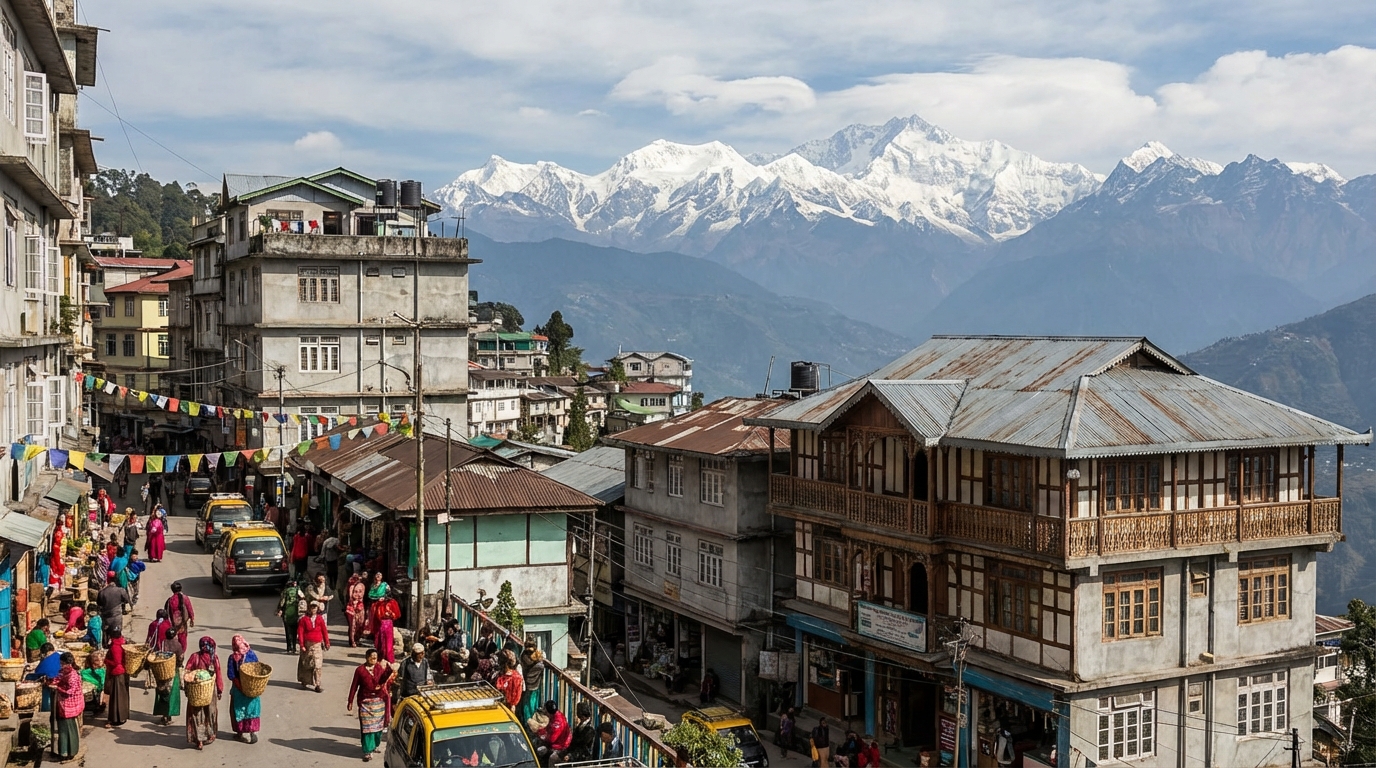
Sikkim is a region of India. Wedged between Nepal and Bhutan, Sikkim is India's first organic state, anchored by the 8,586-meter mass of Kangchenjunga. It transformed from a remote Buddhist kingdom to an Indian state in 1975, maintaining a high-altitude stillness where plastic is strictly banned.
Geography
Within only 7,096 square kilometers, the terrain climbs from 280 meters to 8,586 meters. The Teesta River cuts through steep quartzite and phyllite slopes, creating a climate that fluctuates 6.5 degrees Celsius for every vertical kilometer of ascent.
History
In 1642, three high-ranking lamas met at Yuksom under a pine tree. Lhatsun Chempo, Nga-dag Sempa Chempo, and Phuntsog Rigzing consecrated Phuntsog Namgyal as the first Chogyal, inaugurating a monarchy that ruled for 333 years.
Landmarks
- Rumtek Monastery: The Golden Stupa here houses the relics of the 16th Karmapa, featuring a casket crafted from 13 kilograms of gold and precious turquoise stones.
- Nathu La Pass: At 4,310 meters, soldiers exchange mail and goods at this border gate; it remains one of the few places where high-altitude border trading persists.
- Gurudongmar Lake: At 5,430 meters, one corner of this high-altitude lake remains liquid in January's -30°C temperatures, believed to be blessed by Guru Padmasambhava's touch.
- Siddheshwar Dham: This 2011 complex houses a 108-foot Shiva statue and precise scale replicas of India’s four most sacred Dhams, built to allow elderly locals easy pilgrimage.
- Chenrezig Statue: Reached via a glass skywalk at 7,200 feet, this 137-foot statue overlooks a vertical drop, intended to simulate walking among the Himalayan clouds.
Cuisine
Fermentation defines the palate here, utilizing 'kinema' (fermented soybeans) and 'gundruk' (acidified greens) to preserve nutrition during snowbound months. Salted butter tea provides calories.
- Gundruk: Mustard leaves are packed into earthen jars and buried for weeks; the resulting tangy, sun-dried leaves are used in soups that smell of sharp earth.
- Sael Roti: A fermented rice flour ring fried in ghee until it reaches a dark amber crunch, traditionally served with spicy potato curry during the Tihar festival.
- Phagshapa: Pork fat is braised with dried red chilies and radish until the meat becomes tender and the broth turns into a spicy, clear, unctuous reduction.
- Tongba: Warm water is poured over fermented millet in a bamboo cup; as it steeps, a nutty juice is sipped through a bamboo pipe.
- Cha-Chang: Churned in a dhungmo, this tea combines brick tea leaves with yak butter and salt, acting as a thick energy drink for the high-altitude cold.
Culture
The population identifies through 11 official languages, blending Lepcha, Bhutia, and Nepali customs. Traditional life centers on 'Chaam' dances and the preservation of sacred forest groves.
- Pang Lhabsol: This unique festival honors Mount Kangchenjunga as a living deity; warriors perform dances with swords to reinforce the oath of blood brotherhood between tribes.
- Losoong: Marking the end of harvest in December, monks wear silk robes and masks to perform dances that ritually expel the year's bad luck.
- Sakewa: The Rai people celebrate this harvest festival by dancing the Sili, imitating movements of mountain animals and birds inhabiting the surrounding rhododendron forests.
- Kho: A floor-length, wrap-around robe made of heavy silk; it creates a large front pocket used historically for carrying anything from food to newborn children.
- Dumvum: A soft, ankle-length dress pinned at the shoulder with a Gada brooch, symbolizing the Lepcha people's connection to the indigenous flora.
- Daura Suruwal: Eight strings tie this double-breasted shirt, representing the eight mother goddesses, paired with trousers that taper sharply at the ankles.
- Pangden: A triple-striped woolen apron woven in intense primary colors, worn by married Bhutia women to display their clan's specific weaving patterns.
- Tago: A high-collared jacket made of velvet or brocade, worn over the Kho to provide warmth while showcasing intricate floral embroidery on the cuffs.