Cape Town
Cape Town is a city in the Western Cape region of South Africa. Perched at the southwestern edge of the African continent, Cape Town is anchored by the 1,085-meter sandstone massif of Table Mountain. The city is defined by the sharp collision of the icy Atlantic Benguela current and the fynbos-covered slopes that host species found nowhere else on the planet.
Geography
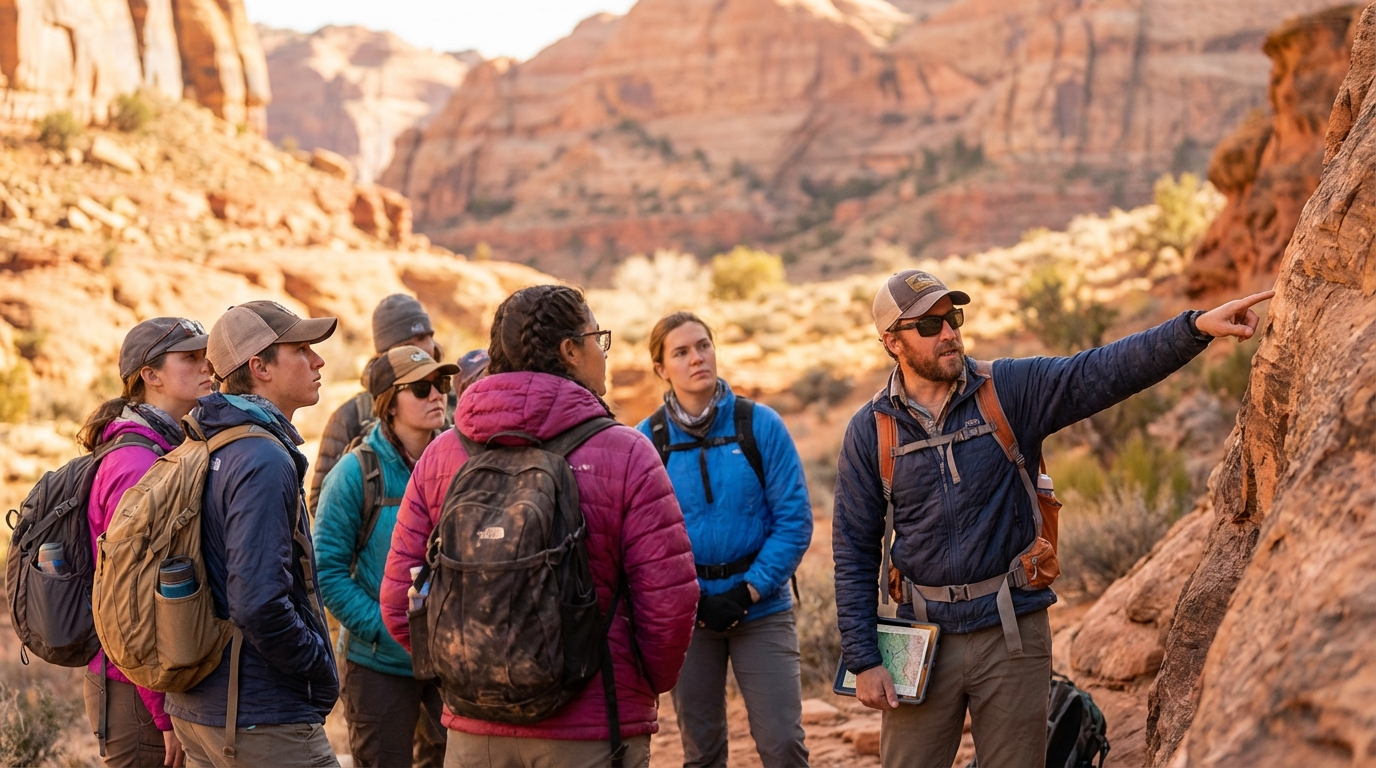
The city lies within the Cape Floristic Region, home to 9,000 plant species, 69% of which are endemic. Its Mediterranean climate creates a rare winter-rainfall pattern in Africa, where 130km of coastline meets ancient granite and sandstone formations dating back 500 million years.
History
On February 11, 1990, Nelson Mandela stood on the balcony of the 1905 honey-colored limestone City Hall. Addressing a crowd of 50,000 people, this pivotal moment marked the end of his 27-year imprisonment and catalyzed the transition from the apartheid era to a democratic South African society.
Landmarks
- Table Mountain: The 'tablecloth' cloud occurs when southeasterly winds force moist air over the 1,085m summit, creating a flat, thick white mist layer.
- Robben Island Lime Quarry: In this quarry, the intense 40-degree glare of the white sun on the stone permanently damaged Nelson Mandela’s tear ducts during labor.
- Bo-Kaap: Tenants painted these houses bright colors in 1844 as a celebration of their freedom, as leased properties were previously restricted to white.
- Zeitz MOCAA: This museum was carved out of 42 vertical concrete tubes that stored 30,000 tons of grain in the 1920s port facility.
- The Norval Foundation: This sculpture garden in Tokai features a 1700s wetland ecosystem and houses the 1960s 'Edoardo Villa' industrial steel masterpieces.
Cuisine
Cape Malay cuisine utilizes an 18th-century fusion of Indonesian spices like star anise and turmeric with Dutch meat-heavy traditions, often cooked over apricot-wood fires.
- The Gatsby: A 60-centimeter sandwich layered with masala steak and slap chips, created in 1976 to feed workers cheaply in Athlone.
- Bobotie: Spiced ground meat baked with a savory custard topping and bay leaves, served with turmeric-infused yellow rice and raisins.
- Snoek: A long-finned salt-water fish often braaied over open coals and basted with apricot jam to balance its naturally oily texture.
- Rooibos Tea: Harvested from the Aspalathus linearis shrub in the nearby Cederberg, this needle-like leaf produces a caffeine-free, earthy red brew.
- Pinotage: A 1925 cross between Pinot Noir and Cinsaut grapes, this local wine offers notes of smoky tobacco and dark berries.
Culture
The culture is a syncopated blend of Xhosa, Dutch, and Southeast Asian influences, highlighted by the 'goema' beat and communal street parades.
- Kaapse Klopse: On January 2nd, 13,000 performers in neon satin suits march through the streets, a tradition dating back to 19th-century slave holidays.
- Cape Town International Jazz Festival: Established in 2000, this 'Grandest Gathering' brings 37,000 fans to listen to 40 international acts at the Convention Centre.
- Wavescape Surf Festival: Every December, thousands gather barefoot at Clifton Fourth Beach to watch surf films projected onto a massive outdoor screen.
- Klopse Satin Suit: Worn by parade troupes, these neon-colored uniforms feature intricate embroidery and are always paired with matching umbrellas and hats.
- Umbhaco: A heavy, cream-colored Xhosa skirt decorated with black stripes and beadwork, signifying the wearer's social status and marital age.
- Vellies: Durable rawhide shoes first made by the VOC in the 17th century, now a staple of local functional fashion.
- Madiba Shirt: A silk, patterned batik shirt popularized by Mandela in 1994, designed by Desré Buirski to blend formal and casual styles.
- Isicholo: A broad, disc-shaped hat traditionally made of grass and dyed with red ochre, worn by married women during ceremonies.